Understanding ANSI 107 and OSHA High Visibility Requirements
When your crew works near moving vehicles, low light areas, or heavy equipment, simply wearing bright colors is not enough. Safety in those environments depends on complying with ANSI/ISEA 107 and related OSHA guidelines. Missing these standards does not only risk fines. It puts workers at real danger.
Garment Types You Need to Know
Before choosing a class, it helps to understand the three ANSI garment types. Each type is based on the environment and level of roadway or work zone exposure.
Type O (Off Road)
Used in areas where workers are not exposed to roadway traffic. Examples include warehouses, factories, and job sites with equipment but no public vehicles.
Type R (Roadway)
Designed for workers exposed to roadway traffic or construction zones where vehicles move at varying speeds. Most construction and utility crews fall under this category.
Type P (Public Safety)
Made for emergency responders, law enforcement, and incident command teams who need high visibility along with additional mobility and utility features.
Selecting the right type ensures the gear matches the worker's environment and level of exposure.
What Makes High Visibility Gear Compliant
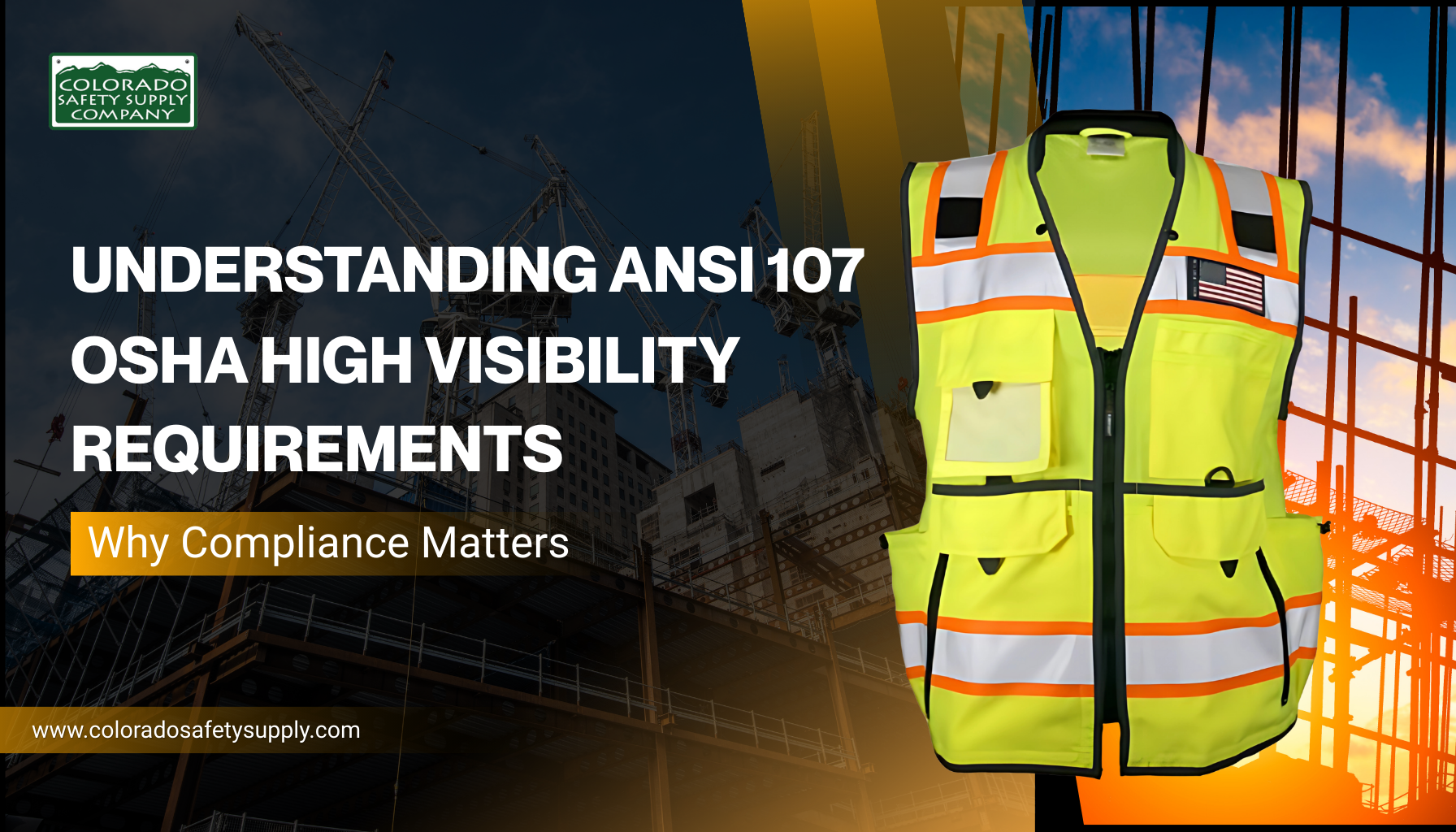
High visibility apparel includes jackets, shirts, vests, and other garments designed to stand out in different lighting conditions. To be compliant, the gear must combine a fluorescent background color with reflective material. When these features work together, workers can be identified quickly from all directions, whether in daylight or under artificial lighting.
Understanding the Classes of High Visibility Gear
ANSI divides high visibility apparel into three classes based on how much fluorescent and reflective material is built into the garment.
-
Class 1 is for low risk areas with slow moving vehicles or minimal hazards.
-
Class 2 is for moderate risk zones where traffic moves faster or where visibility must be improved due to environmental distractions.
-
Class 3 is for high risk environments such as highway work, railways, or nighttime operations where workers need maximum visibility.
Using a lower class in a high hazard zone can reduce visibility and compromise compliance.
Why Compliance Matters
A significant number of construction related fatalities are caused by struck by incidents involving vehicles or machinery. High visibility apparel reduces this risk by giving operators additional time to see and respond to workers.
For employers, compliance minimizes fines, lowers injury rates, and strengthens workplace safety culture.
Common Mistakes That Reduce Visibility
-
Wearing bright clothing without reflective striping
-
Using Class 1 gear where Class 2 or 3 is required
-
Wearing faded, dirty, or damaged gear
-
Choosing uncomfortable gear that workers avoid wearing
How to Choose the Right High Visibility Gear
-
Evaluate the work environment including traffic speed, lighting, and equipment movement.
-
Determine the correct garment type based on exposure.
-
Select the appropriate ANSI class for the level of risk.
-
Verify the garment is labeled as ANSI/ISEA 107 compliant.
-
Ensure gear is comfortable and durable so workers keep it on throughout the shift.
-
Inspect and replace gear regularly when materials show wear or damage.
High visibility apparel is a key part of protecting workers in hazardous areas. By understanding garment types, ANSI classes, and the environment each one is designed for, employers can keep their teams safer and more visible on every jobsite.